event parking · venue operations · parking management

Insights

Event parking planning checklist for Utah venues

A practical event parking checklist covering lot assignments, staffing, wayfinding, payment setup, overflow plans, and post-event review.

By ·

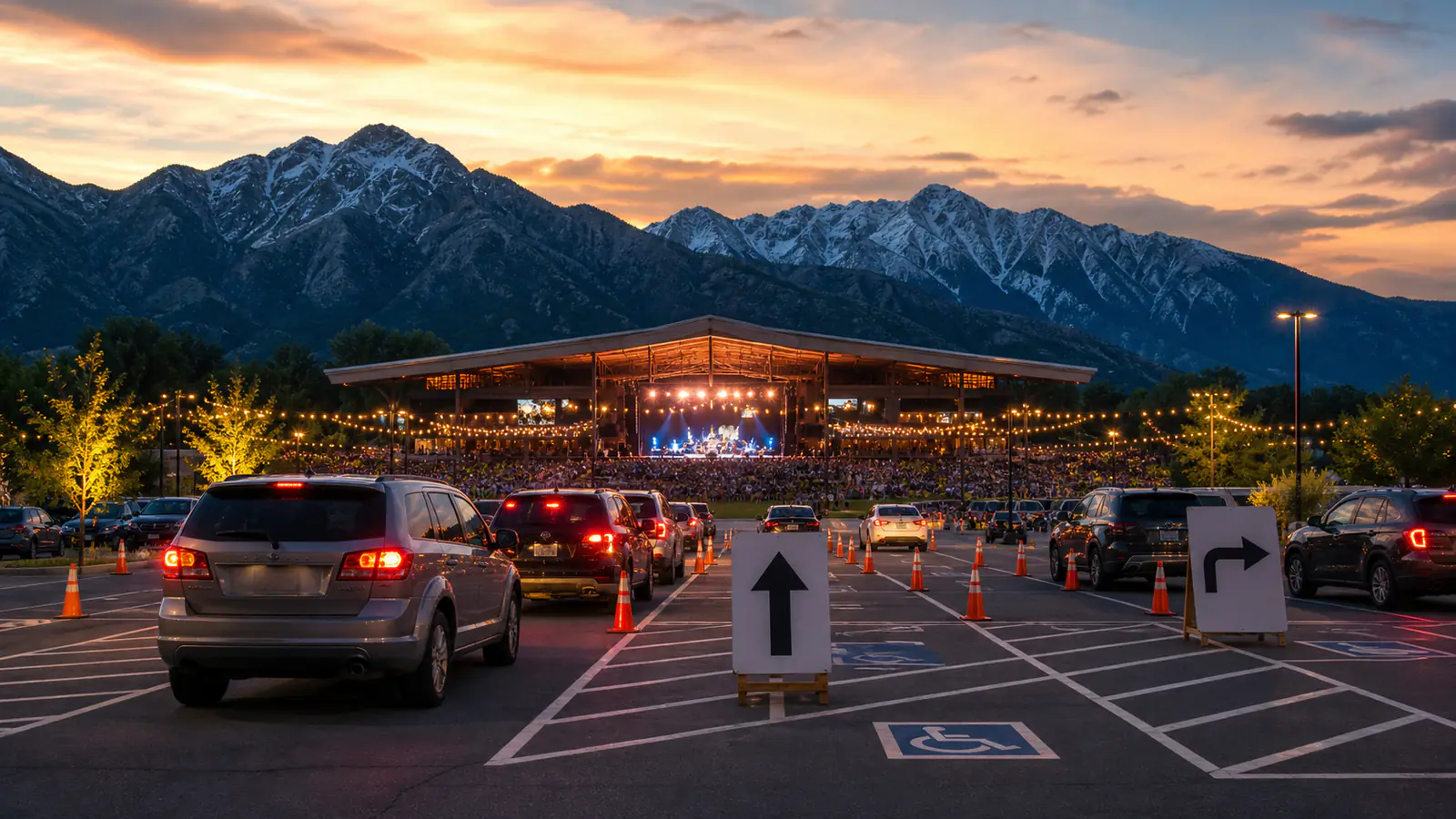
Heavy vehicle and pedestrian traffic arriving at a crowded outdoor event.

Event parking problems usually show up before the first car arrives. A clear pre-event plan reduces confusion at entry, keeps staff aligned, and makes it easier to adapt when attendance or weather shifts.

For a service overview, see our event parking page.

1. Estimate arrival and departure peaks

Attendance totals matter, but arrival timing matters more.

Before the event, map:

  • When gates or doors open
  • Whether arrivals come in one wave or several
  • When guests are likely to leave
  • Whether nearby traffic patterns affect ingress or egress

Peak timing helps determine where you need staff, signage, and overflow triggers.

2. Separate guest groups before assigning lots

Not every driver should follow the same route.

List the groups that may need different access:

  • General admission
  • VIP or reserved parking
  • ADA parking
  • Staff and vendors
  • Buses, rideshare, or shuttle staging

Separate lot assignments make arrival smoother and reduce last-minute field decisions.

3. Decide how payment will work

Choose one payment experience and communicate it clearly.

Questions to answer:

  • Is parking prepaid, paid on arrival, or complimentary?
  • Will guests reserve online in advance?
  • Are different lots priced differently?
  • What should staff do when a driver arrives without a reservation?

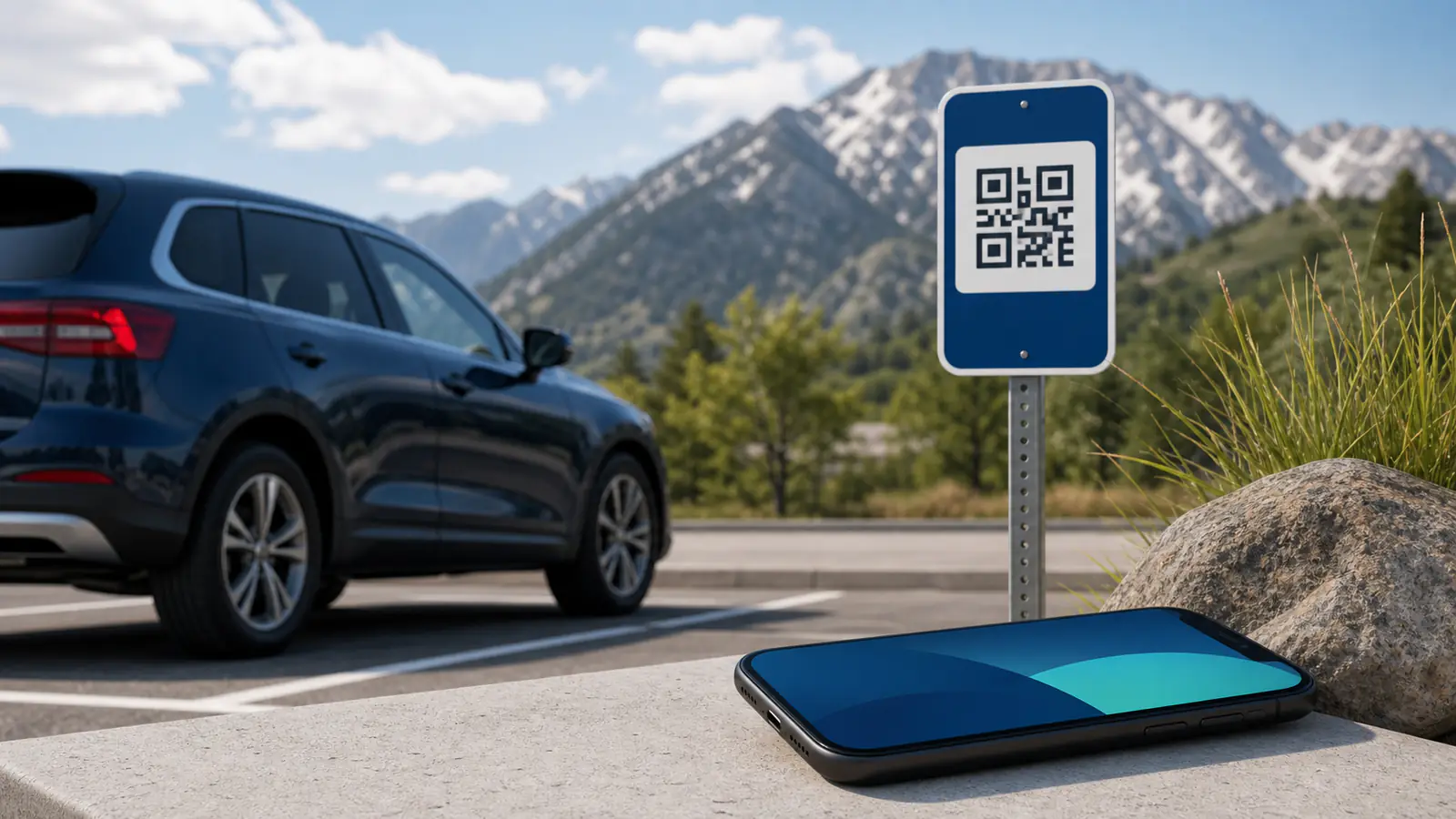
If you need QR/mobile payment or reservations, compare your event plan with our mobile parking payment service.

4. Map signs, radios, and staffing positions

The lot team should know exactly where to stand and what each checkpoint controls.

Prepare:

  • Entry signs and directional signs
  • Lot names or color codes
  • Radio call signs and escalation contacts
  • Staff assignments for entry, lot fill, ADA, overflow, and exit

Good wayfinding reduces the number of conversations that have to happen at the gate.

5. Set overflow and contingency rules

Overflow is easier to manage when the triggers are defined before the event.

Plan for:

  • Secondary lots or partner lots
  • Shuttle support if overflow is off site
  • Weather changes that affect lot capacity
  • Lane closures or temporary traffic control changes

If a lot fills unexpectedly, the team should already know where the next cars go.

6. Review after the event

The post-event review is where the next event improves.

Capture:

  • Peak arrival time and lot fill time
  • Where queues formed
  • Which signs or directions were unclear
  • Whether staffing levels matched actual traffic
  • What to change before the next event

If you are planning a venue schedule or a one-time large event, contact us and we can help you think through the parking side of the operation.

Keep Reading

Related parking articles

Next step

Need help with a parking program?

If this article raised questions about your property, talk with our team about permits, payments, enforcement, or event support.

← Back to all posts