
Better short-stay access
Durations that support customers, visitors, loading, and service.
Improve access to high-demand spaces with time limits that reflect real visitor needs and are easy to understand, monitor, and adjust.
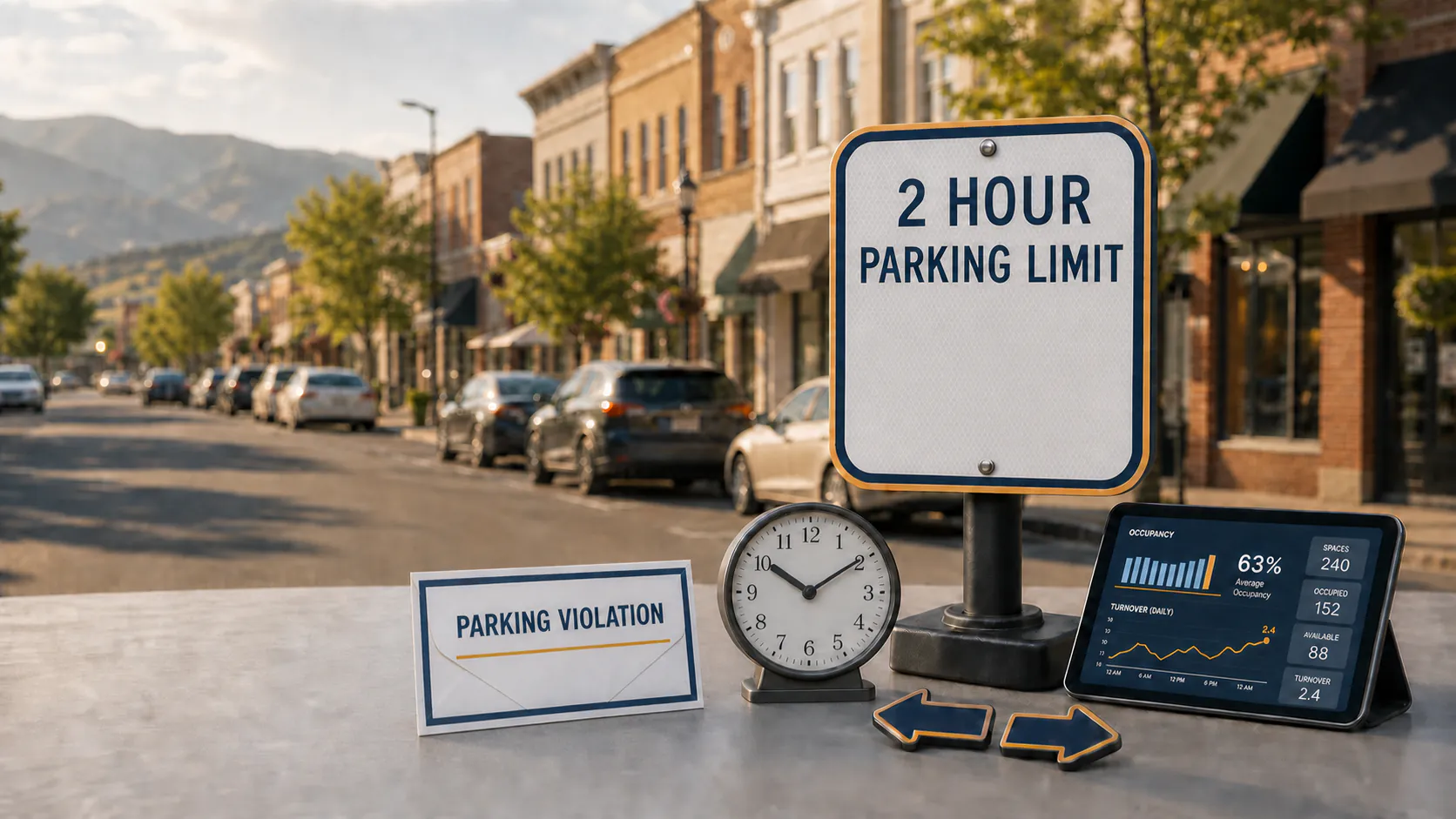
Durations that support customers, visitors, loading, and service.
Clear zones, hours, exemptions, grace periods, and signs.
Use available activity patterns to refine the program.
Shape the duration, zones, exceptions, signs, and monitoring around the destination.
Review users, peak demand, visit lengths, and alternatives.
Set areas, schedules, and limits around each space.
Plan permits, deliveries, accessibility, and approved exceptions.
Make limits, hours, boundaries, and next steps clear.
Use a practical, documented method for the approved rules.
Compare activity patterns with the turnover goal.
Build every rule around the intended use of the space.
Identify where access is tight and what the spaces should support.
Review demand, visit lengths, alternatives, permits, and exceptions.
Choose durations, schedules, boundaries, exemptions, and signs.
Show drivers where, when, and why the limits apply.
Adjust durations, zones, and communication as patterns change.
Consultation
We review demand, visit lengths, zones, exemptions, signs, and monitoring options.
Analytics & reporting
Available occupancy, duration, and zone data can guide practical adjustments.
Available information depends on the service mix and tools selected for the property.Short-stay spaces are occupied too long.
Busy areas need turnover without paid parking in every space.
Duration rules, exemptions, and monitoring need more structure.
What visit length should each space support?
Which schedules, grace periods, or exceptions apply?
How will signs, monitoring, and review keep the program fair?
Good to know
Clear answers before you make a parking decision.
It sets a maximum parking duration for selected spaces or zones to support availability for the intended users. A complete program also defines hours, boundaries, exemptions, signage, monitoring, and review.
When the duration matches the typical visit and drivers have clear alternatives for longer stays, the same short-stay spaces can serve more customers, visitors, or appointments during busy periods.
The decision should consider the purpose of the spaces, common visit lengths, peak demand, nearby longer-stay options, affected users, and the property’s operating goals.
Yes. A plan may use permit exemptions, different rules by zone, or paid options for longer stays when the property policy and selected tools support that structure.
The monitoring method depends on the property, approved policy, service plan, and available field tools. We define the documentation and follow-up process during planning rather than assuming one method fits every site.
Review the original turnover goal alongside available occupancy, duration, activity, and stakeholder feedback. The results can show whether a duration, zone, exemption, or sign needs adjustment.
Share where turnover is falling short. We will help you review visit patterns, time limits, exceptions, signage, monitoring, and available analytics.